English




A Comprehensive Guide Of Using Rotary Hammers Safely
I. Introduction
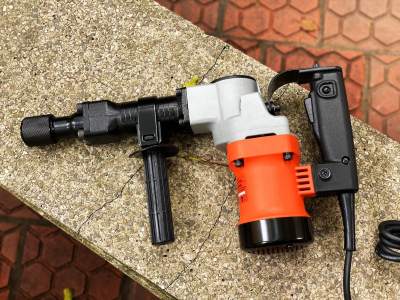
Rotary hammers are powerful tools commonly used in construction and renovation projects to drill through hard materials like concrete and masonry. While these tools are incredibly efficient, they also pose significant safety risks if not used correctly. In this comprehensive guide, we will delve into the proper techniques and safety measures necessary to ensure the safe and effective use of rotary hammers. Whether you are a seasoned professional or a DIY enthusiast, understanding these guidelines is crucial to prevent accidents and protect both yourself and those around you. Let's explore the essential practices that will help you harness the full potential of rotary hammers while prioritizing safety above all else.
II. Proper Personal Protective Equipment
Ensuring the use of appropriate Personal Protective Equipment (PPE) is paramount when operating rotary hammers to safeguard against potential hazards and prevent injuries. Here are essential PPE items that should be worn during rotary hammer use:
Safety Glasses or Goggles: Protecting your eyes from flying debris is crucial when using rotary hammers. Safety glasses or goggles with side shields provide a barrier against particles that can cause eye injuries.
Ear Protection: The high noise levels generated by rotary hammers can lead to hearing damage over time. Wearing earplugs or earmuffs while operating the tool helps reduce the risk of hearing loss and ensures a safer work environment.
Respiratory Protection: Dust and airborne particles produced during drilling can pose respiratory hazards. Disposable respirators or dust masks should be worn to prevent inhalation of harmful substances and maintain good air quality.
Gloves: Using appropriate work gloves can protect your hands from cuts, abrasions, and vibrations while operating rotary hammers. Anti-vibration gloves are especially beneficial in reducing the risk of Hand-Arm Vibration Syndrome.
Footwear: Sturdy, slip-resistant footwear with steel toe caps provides protection against falling objects and potential foot injuries on the job site. Proper footwear ensures stability and reduces the risk of accidents.
By adhering to these PPE guidelines and incorporating them into your daily safety practices, you can significantly reduce the likelihood of accidents and injuries while using rotary hammers. Prioritizing personal safety through the consistent use of PPE is a fundamental aspect of responsible and secure tool operation.
III. Inspecting the Rotary Hammer
Prior to using a rotary hammer, it is essential to conduct a thorough inspection of the tool to ensure it is in proper working condition and safe to operate. Regular inspections help identify potential issues early on, mitigating the risk of accidents and promoting a secure work environment. Here are key aspects to consider when inspecting a rotary hammer:
Power Cord and Plug: Check the power cord for any signs of damage, such as fraying or exposed wires. Ensure the plug is intact and fits securely into the power outlet to prevent electrical hazards during operation.
Exterior Condition: Inspect the exterior of the rotary hammer for cracks, dents, or other visible damage that could affect its structural integrity. Any abnormalities should be addressed promptly to maintain the tool's safety and performance.
Chuck and Bit: Verify that the chuck is secure and functioning correctly, as a loose chuck can lead to bit slippage during drilling. Additionally, ensure the drill bit is compatible with the rotary hammer and securely fastened to prevent accidents while in use.
Trigger and Controls: Test the trigger and controls to ensure they are responsive and functioning as intended. Any sticking or irregularities in operation should be addressed before using the rotary hammer to prevent unexpected tool behavior.
Safety Features: Confirm that all safety features, such as the depth gauge, auxiliary handle, and vibration control mechanisms, are in place and operational. These features enhance user safety and help prevent accidents during drilling tasks.
By incorporating a pre-operation inspection routine into your work practices, you can proactively identify and address potential safety concerns with the rotary hammer, minimizing the risk of accidents and ensuring a safe working environment for yourself and your team.
IV. Operating the Rotary Hammer Safely
Proper operation of a rotary hammer is crucial for maintaining a safe work environment and preventing accidents or injuries. By following these safety guidelines, you can ensure the effective and secure use of the tool:
1.Stable Positioning: Maintain a stable stance and grip on the rotary hammer while operating it. Use both hands to control the tool and keep it steady during drilling to prevent it from slipping or jerking unexpectedly.
2.Correct Bit Selection: Choose the appropriate drill bit for the material you are working with, ensuring it is compatible with the rotary hammer and securely attached. Using the right bit minimizes the risk of bit breakage or binding during drilling.
3.Controlled Drilling Speed: Avoid excessive force or pressure when drilling with the rotary hammer. Let the tool's hammering action and rotation do the work, applying gradual pressure and allowing the bit to penetrate the material at a controlled speed.
4.Depth Setting: Set the depth gauge on the rotary hammer to the desired drilling depth to prevent over-drilling or damaging underlying surfaces. Adjust the depth control according to the specifications of your drilling task for precise and safe operation.
5.Rest Periods: Take regular breaks during extended use of the rotary hammer to prevent fatigue and maintain focus. Prolonged operation without adequate rest intervals can compromise safety and lead to errors in handling the tool.
6.Emergency Procedures: Familiarize yourself with emergency shutdown procedures in case of unexpected incidents while operating the rotary hammer. Be prepared to react swiftly and safely in the event of tool malfunctions or accidents.
By adhering to these safety practices and exercising caution during rotary hammer operation, you can minimize the risk of accidents and promote a secure working environment for yourself and others on the job site.
V. Conclusion
In conclusion, mastering the safe and effective use of rotary hammers is essential for anyone working with these powerful tools. By following the guidelines outlined in this comprehensive guide, you can significantly reduce the risk of accidents and injuries while maximizing the efficiency of your work. Remember to always wear appropriate safety gear, inspect your tools before each use, and follow proper operating procedures diligently.
Safety should be the top priority when working with rotary hammers, as even a small oversight can have serious consequences. Regular training, awareness of potential hazards, and a commitment to best practices are key to ensuring a safe working environment for yourself and those around you.
Embrace the knowledge gained from this guide as a foundation for your continued growth and success in using rotary hammers. By prioritizing safety and adhering to recommended safety protocols, you can confidently tackle projects with precision and efficiency. Stay safe, stay informed, and enjoy the benefits of working with rotary hammers in a secure and productive manner.
Categories
latest blog
Tags
 Tel :+86 592 2068518
 Email: info@kynko.com.cn
 Whatsapp : +8618650800148
 Jinhehang Development Zone, Shanxia, Hui'an, Quanzhou, Fujian, China
For inquiries about our products or pricelist, please leave to us and we will be in touch within 24 hours.



© Copyright: 2003-2026 KYNKO INDUSTRIAL LIMITED All Rights Reserved.
IPv6 network supported

Talk by Wechat