English



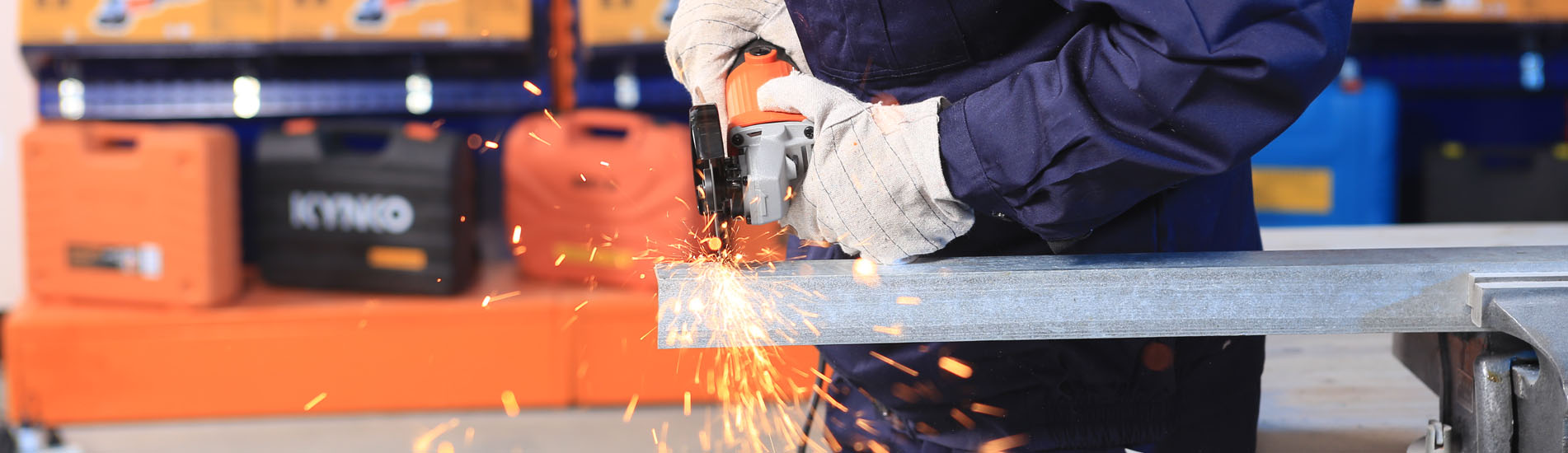
Corded vs. Cordless Power Tools: Which One Is the Better Choice for Professionals
The power tool industry has undergone significant changes over the past decade. With rapid improvements in lithium-ion battery technology, cordless tools have become increasingly popular among professionals and DIY users. However, corded tools remain widely used across construction sites and industrial applications.
So which one is the better choice—corded or cordless power tools? The answer depends largely on the application, working environment, and user preferences.
In this article, we explore the key differences between corded and cordless tools to help professionals make the right decision.
1. Power and Performance
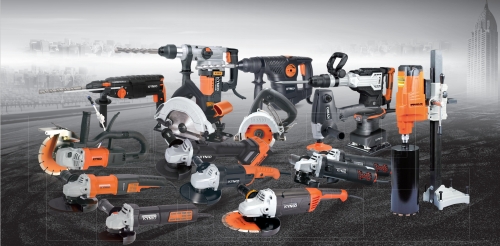
Traditionally, corded power tools have been known for their consistent and reliable power output. Because they are directly connected to electricity, they can deliver continuous high performance without interruptions.
For heavy-duty applications such as cutting stone, metal grinding, or long hours of drilling, corded tools still offer a clear advantage.
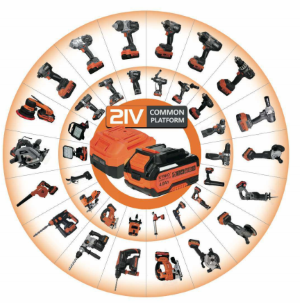
Cordless tools, on the other hand, have improved dramatically thanks to advanced lithium-ion batteries and brushless motors. Modern cordless tools can now deliver impressive torque and speed, making them suitable for many professional tasks.
However, for extremely demanding applications, corded tools still tend to provide more stable power.
2. Portability and Convenience
One of the biggest advantages of cordless tools is mobility. Without the limitation of power cords, users can work freely in tight spaces, outdoor locations, or job sites without easy access to electricity.
This flexibility is especially valuable for:
Corded tools, while powerful, require a constant power source and extension cables, which may limit mobility.
3. Working Time and Efficiency
Corded tools can operate continuously as long as electricity is available. This makes them ideal for long working hours and high-intensity applications.
Cordless tools rely on battery capacity. While modern batteries provide longer run times, users still need to recharge or replace batteries during extended work periods.
Many professionals solve this issue by using multiple battery packs, allowing them to continue working while another battery charges.
4. Cost Considerations
Corded tools generally have a lower initial cost compared to cordless tools because they do not require batteries or chargers.
Cordless tools typically involve higher upfront investment due to:
However, many users consider the added convenience and flexibility worth the investment.
5. Durability and Maintenance
Corded tools usually have a simpler internal structure and fewer electronic components, which can make them more durable in harsh environments.
Cordless tools contain batteries and electronic control systems that require proper care and maintenance. Over time, batteries may also need replacement.
Despite this, modern cordless tools are becoming increasingly reliable and durable thanks to improvements in battery technology and tool design.
6. The Future of Power Tools
The future of the power tool industry is likely to be a balanced combination of both technologies. While cordless tools continue to gain market share due to convenience and innovation, corded tools remain essential for high-power industrial applications.
Many professionals now choose to use both types of tools depending on the task.
For manufacturers and suppliers, offering a comprehensive product range that includes both corded and cordless solutions will be key to meeting the diverse needs of global customers.
Conclusion
Corded and cordless power tools each have their own strengths and ideal use cases.
Instead of replacing each other, these two technologies complement one another. Professionals should choose the right tool based on their specific working conditions and performance requirements.
As technology continues to evolve, both corded and cordless tools will play important roles in shaping the future of the global power tool industry.
Why Choose KYNKO Power Tools?
In the realm of professional and industrial power tools, KYNKO stands as a beacon of excellence. Our tools are crafted with precision engineering, embodying durability, reliability, and innovation. Tailored for professionals and industries, KYNKO power tools offer unmatched performance and efficiency, ensuring that every task is executed with precision and perfection.
Elevate your work to new heights with KYNKO power tools — the epitome of quality, reliability, and performance in the world of professional and industrial tools.
Categories
latest blog
Tags
 Tel :+86 592 2068518
 Email: info@kynko.com.cn
 Whatsapp : +8618650800148
 Jinhehang Development Zone, Shanxia, Hui'an, Quanzhou, Fujian, China
For inquiries about our products or pricelist, please leave to us and we will be in touch within 24 hours.



© Copyright: 2003-2026 KYNKO INDUSTRIAL LIMITED All Rights Reserved.
IPv6 network supported

Talk by Wechat