English




Electric Drill vs. Cordless Drill Which One Is Right for You
I. Introduction
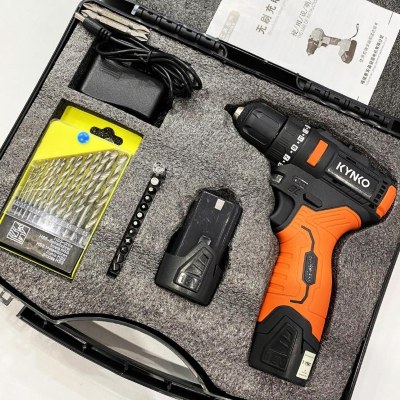
In the realm of drilling, the choice between an electric drill and a cordless drill is a common dilemma that many enthusiasts and professionals face. Each type of drill comes with its own set of advantages and limitations, catering to different needs and preferences.
By exploring the distinct characteristics, functionalities, and practical considerations of electric and cordless drills, we aim to provide valuable insights to help you make an informed decision. Whether you are a seasoned DIY enthusiast, a home improvement aficionado, or a professional tradesperson, understanding the nuances of these two types of drills is essential in selecting the tool that best suits your requirements.
Join us on this exploration as we compare and contrast electric drills and cordless drills, shedding light on their unique features, applications, and performance factors. By the end of this article, you will be equipped with the knowledge needed to choose the drill that aligns perfectly with your projects and preferences.
II. Understanding Electric Drills
Functionality of Electric Drills
-Electric drills are powered by a corded electricity source, providing consistent power for drilling through various materials with ease.
-They are typically more powerful than cordless drills, making them suitable for heavy-duty tasks and demanding applications.
-Electric drills often come with variable speed settings and a reverse function, allowing for precise control and versatility in drilling operations.
Advantages of Electric Drills
-Reliable Power Supply: With a constant electricity source, electric drills offer uninterrupted power, eliminating the need for recharging batteries.
-High Torque and Speed: Electric drills are known for their high torque output and speed, making them ideal for drilling through tough materials like concrete and metal.
-Cost-Effective: Electric drills are generally more affordable than cordless drills, making them a budget-friendly option for individuals or professionals on a tight budget.
Limitations of Electric Drills
-Limited Mobility: The cord restricts the movement range of electric drills, which can be inconvenient when working in remote areas or tight spaces.
-Dependency on Power Outlet: Using an electric drill requires access to a power outlet, making it less suitable for outdoor or off-grid projects.
-Cord Management: Managing the power cord of an electric drill can be cumbersome, requiring extra care to prevent tangling or accidental tripping hazards.
III. Exploring Cordless Drills
Functionality of Cordless Drills
-Cordless drills are powered by rechargeable batteries, offering portability and flexibility without the constraints of a power cord.
-They are versatile tools that can be used in various settings, from construction sites to home workshops, providing freedom of movement during drilling tasks.
-Cordless drills often feature adjustable clutch settings, allowing users to control torque and prevent overdriving screws or damaging materials.
Advantages of Cordless Drills
-Portability: Cordless drills are lightweight and portable, allowing users to move freely without being tethered to a power outlet, making them ideal for on-the-go projects.
-Convenience: The absence of a cord eliminates the hassle of cord management and allows for easy maneuverability in tight spaces or areas without electricity.
-Versatility: Cordless drills can be used for a wide range of tasks, from drilling holes and driving screws to assembling furniture and performing light to medium-duty tasks.
Limitations of Cordless Drills
-Limited Battery Life: Cordless drills have a finite battery life, requiring recharging after extended use, which may interrupt workflow for users engaged in prolonged projects.
-Power Output: While cordless drills have improved over the years, they may not always match the power output of corded electric drills, affecting performance on heavy-duty tasks.
-Cost Considerations: Cordless drills tend to be more expensive than their corded counterparts, particularly high-end models with advanced features and multiple batteries.
IV.Factors to Consider When Choosing
Power Source
Electric Drill: Relies on a continuous power supply from an electrical outlet, providing consistent power for demanding drilling tasks.
Cordless Drill: Powered by rechargeable batteries, offering portability and flexibility but with the need for occasional recharging.
Portability and Convenience
Electric Drill: Limited mobility due to the power cord, suitable for stationary tasks and projects near power outlets.
Cordless Drill: Offers freedom of movement and convenience, ideal for projects in remote areas or locations without electricity.
Performance and Power
Electric Drill: Known for high torque output and consistent power, making them suitable for heavy-duty tasks like drilling through concrete or metal.
Cordless Drill: Improvements in battery technology have enhanced the power of cordless drills, but they may still not match the power output of electric drills for intensive tasks.
Battery Life and Charging Time
Electric Drill: Not applicable, as electric drills do not rely on batteries.
Cordless Drill: Consider the battery capacity, charging time, and availability of spare batteries for uninterrupted workflow, especially for long projects.
Cost Considerations
Electric Drill: Generally more affordable than cordless drills, making them a budget-friendly option for those seeking reliable power without the need for mobility.
Cordless Drill: Can be more expensive due to the inclusion of batteries and charger, with higher-end models offering advanced features at a premium price.
User Experience and Ergonomics
Electric Drill: Consider the weight and design of the drill for comfortable handling during extended use, as well as the placement of controls for ease of operation.
Cordless Drill: Look for ergonomic features such as a comfortable grip, adjustable handle, and lightweight design to reduce user fatigue during prolonged drilling tasks.
V.Conclusion
In the choice between electric drills and cordless drills, understanding your specific needs and preferences is key. Each type of drill offers unique advantages and considerations, from power and performance to portability and convenience.
By weighing the factors discussed in this article, you can confidently select the drill that aligns best with your projects and workflow. Whether you prioritize mobility or consistent power, making an informed decision will enhance your drilling experience and project outcomes.
Remember to consider your requirements carefully before making a choice. Whichever drill you choose, may it empower you to tackle your tasks with efficiency and precision. Thank you for exploring the differences between electric and cordless drills with us. Here's to successful projects ahead!
Categories
latest blog
Tags
 Tel :+86 592 2068518
 Email: info@kynko.com.cn
 Whatsapp : +8618650800148
 Jinhehang Development Zone, Shanxia, Hui'an, Quanzhou, Fujian, China
For inquiries about our products or pricelist, please leave to us and we will be in touch within 24 hours.



© Copyright: 2003-2026 KYNKO INDUSTRIAL LIMITED All Rights Reserved.
IPv6 network supported

Talk by Wechat