English



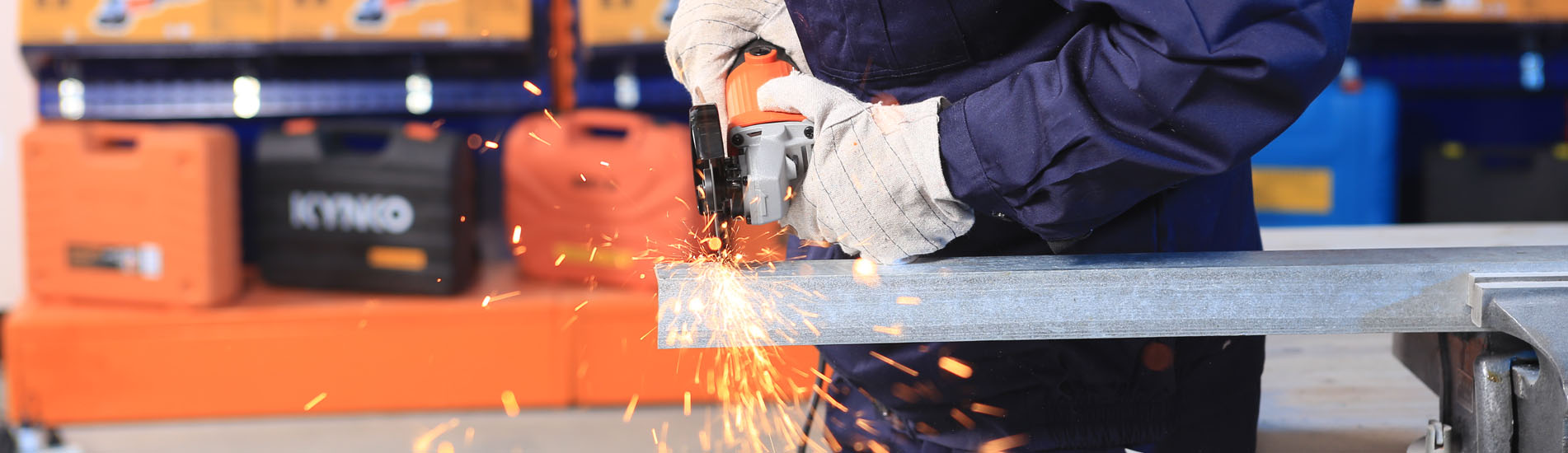
How to Choose a Marble Cutter for Stone Cutting
Choosing the right marble cutter is important for achieving clean, accurate, and efficient stone cutting. Whether you work with marble, granite, ceramic tiles, or other stone materials, the right cutting tool can improve cutting performance and reduce damage to the material.
With many marble cutters available in different sizes, power levels, and configurations, it can be difficult to know which model is suitable for your application. Here are the key factors to consider when choosing a marble cutter for stone cutting.
The first step is to identify the material you need to cut.
Marble is relatively softer than granite, while granite and other hard stones require more cutting power and a suitable diamond blade. If you mainly work with marble and tiles, a standard marble cutter with an appropriate diamond blade may be enough.
For harder stone materials or frequent professional use, choose a more powerful and durable stone cutting tool designed for heavy-duty applications.
Motor power is one of the most important factors when selecting a marble cutter.
A higher-power motor can provide better performance when cutting thick or hard materials. For light-duty tile and marble cutting, a lower-power model may be sufficient. For professional stone cutting, higher-power models are generally more suitable because they can maintain stable performance under continuous workloads.
However, higher wattage does not always mean better cutting performance. Motor efficiency, cooling design, transmission quality, and overall machine construction also affect the actual performance of a marble cutter.
The blade diameter determines the cutting capacity of the machine.
Common marble cutter blade sizes include 4-inch, 4.5-inch, 5-inch, and 7-inch models. Smaller blades are suitable for tiles and relatively thin stone materials, while larger blades can provide greater cutting depth for thicker materials.
Before choosing a marble cutter, check the maximum blade diameter supported by the machine and make sure it matches your cutting requirements.
Maximum cutting depth is another important specification.
If you regularly cut thick marble slabs, stone blocks, or other heavy materials, make sure the marble cutter provides enough cutting depth for the job. A machine with insufficient cutting depth may require multiple passes, which can reduce efficiency and affect cutting accuracy.
It is also important to consider whether the cutting depth can be adjusted. Adjustable cutting depth provides greater flexibility for different stone cutting applications.
A good marble cutter also needs the right diamond blade.
Diamond blades are designed for different materials and applications. A blade suitable for marble may not provide the best performance on granite or reinforced concrete. Therefore, always select a blade according to the material being cut.
The quality of the diamond segments, blade construction, and segment design can affect cutting speed, service life, and edge quality.
Marble cutters can generally be used for dry cutting or wet cutting, depending on the machine design and application.
Wet cutting uses water to help cool the blade and reduce dust during cutting. It is often suitable for professional stone processing where dust control and continuous cutting are important.
Dry cutting is more convenient for jobs where water is not available or where portability is a priority. However, dry cutting can generate more dust and heat, so proper ventilation and personal protective equipment are important.
When choosing a stone cutting tool, consider your working environment and whether wet or dry cutting is more practical.
A marble cutter should not only be powerful but also comfortable to use.
For handheld stone cutting, factors such as machine weight, handle design, switch position, and balance can affect user comfort and control. A well-balanced machine can help operators maintain a more stable cutting line, especially during long working periods.
For professional users, good ergonomics can also help reduce fatigue during continuous stone cutting.
Stone cutting can produce a large amount of fine dust. Dust can enter the motor and other internal components if the tool is not properly protected.
When selecting a marble cutter for professional use, pay attention to the machine's dust protection, cooling system, housing quality, and internal component design.
A durable stone cutting machine should be able to withstand demanding working conditions and maintain stable performance over time.
Different users have different stone cutting requirements.
For occasional home renovation and tile cutting, a compact and lightweight marble cutter may be the best choice.
For professional construction and stone installation, a more powerful machine with greater cutting capacity may be more suitable.
For industrial stone processing, durability, motor performance, dust protection, cutting efficiency, and long-term reliability should be considered together.
Safety should always be considered when choosing a marble cutter.
Look for features such as a reliable switch, blade guard, stable handle design, and overload protection where applicable. Always use the correct blade and follow the manufacturer's operating instructions.
Operators should also wear suitable safety equipment, including eye protection, hearing protection, gloves where appropriate, and suitable respiratory protection when working in dusty environments.
Choosing the right marble cutter depends on the material, cutting depth, blade size, motor power, working environment, and frequency of use. Instead of focusing on one specification, consider the overall performance and durability of the machine.
For professional stone cutting, a reliable marble cutter with sufficient power, a suitable diamond blade, good dust protection, and comfortable handling can provide more efficient and consistent results.
By understanding your specific application before purchasing, you can choose the right stone cutting tool for better cutting performance and longer service life.
Categories
latest blog
Tags
 Tel :+86 592 2068518
 Email: info@kynko.com.cn
 Whatsapp : +8618650800148
 Jinhehang Development Zone, Shanxia, Hui'an, Quanzhou, Fujian, China
For inquiries about our products or pricelist, please leave to us and we will be in touch within 24 hours.



© Copyright: 2003-2026 KYNKO INDUSTRIAL LIMITED All Rights Reserved.
IPv6 network supported

Talk by Wechat