English



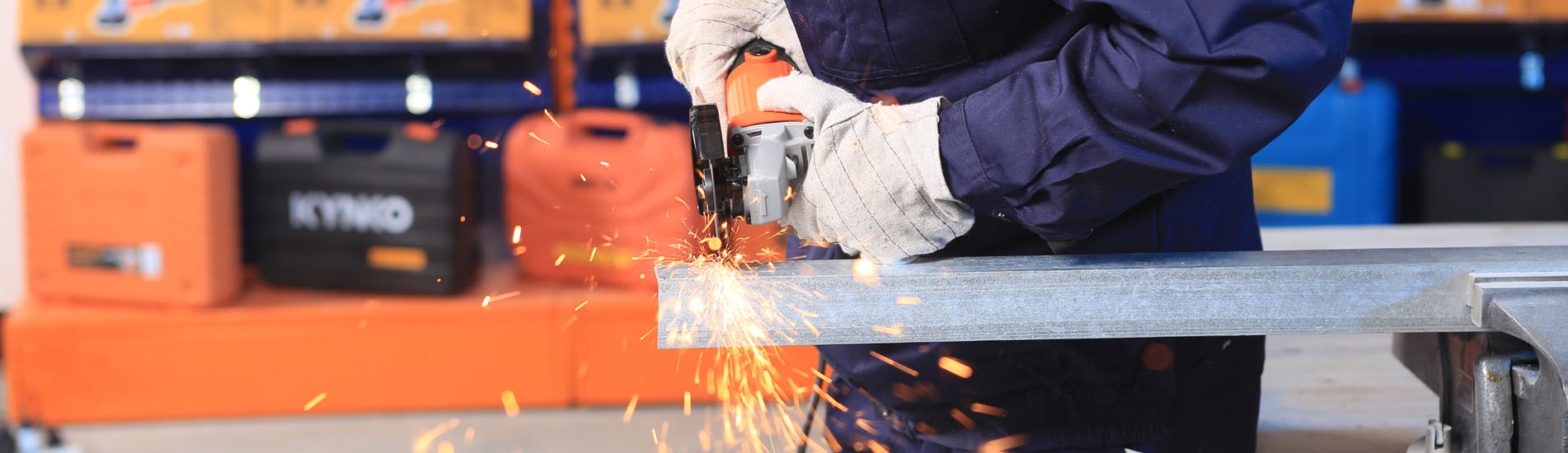
How to Choose the Right Orbital Sander for Your Projects
Choosing the right orbital sander can make a significant difference in sanding efficiency, surface quality, and overall work performance. Whether you are working on woodworking, furniture refinishing, automotive projects, or general surface preparation, the right tool helps you achieve a smooth and consistent finish with less effort.
However, with different models and specifications available on the market, how do you choose an orbital sander that meets your needs? In this guide, we will cover the key factors to consider before making your decision.
An orbital sander is a power tool designed for sanding and finishing various surfaces, including wood, metal, and painted materials. It uses a sanding pad that moves in small circular or orbital motions to remove material and create a smoother surface.
Orbital sanders are widely used in woodworking, furniture manufacturing, renovation, and other surface finishing applications.
They are popular because they are relatively easy to operate, provide consistent sanding results, and are suitable for a wide range of finishing tasks.
Before choosing one, it is important to understand the different types of orbital sanders and their applications.
Although orbital sanders share similar functions, different designs offer different sanding results.
Standard Orbital Sanders
Standard orbital sanders use a small circular orbital movement. They are commonly used for light sanding, paint preparation, and fine finishing. Their relatively gentle sanding action makes them suitable for users who need a smooth surface with minimal material removal.
Random Orbital Sanders
Random orbital sanders combine orbital movement with rotational movement. This creates a more random sanding pattern, helping reduce visible swirl marks on the workpiece.
They are suitable for both material removal and surface finishing, making them a versatile choice for woodworking, furniture refinishing, and general-purpose sanding.
When selecting a sander, consider the type of surface, the amount of material you need to remove, and the finish you want to achieve.
Motor power is an important factor affecting a sander's working performance. A more powerful motor can help maintain consistent operation, especially when working on larger surfaces or performing longer sanding tasks.
You should also consider the tool's operating speed. Higher speeds can improve sanding efficiency, while lower speeds may provide better control when working on delicate surfaces.
If you frequently handle different materials and applications, a model with variable speed control can offer greater flexibility.
The sanding pad size determines the working area covered by each pass.
Common sanding pad sizes include 125 mm (5 inches) and 150 mm (6 inches).
· 125 mm (5-inch) pad: Suitable for general-purpose sanding, smaller workpieces, and applications requiring better handling.
· 150 mm (6-inch) pad: Offers a larger sanding area and can improve efficiency when working on large, flat surfaces.
Choose the pad size based on your typical workload and the surfaces you work with most often.
Sandpaper grit determines how much material is removed and how smooth the final surface becomes.
Different grit levels serve different purposes:
· 40–60 grit: Coarse sanding for removing old paint, rough surfaces, and significant material imperfections.
· 80–120 grit: Medium sanding for general surface preparation and smoothing.
· 150–180 grit: Fine sanding for improving surface smoothness before finishing.
· 220 grit and above: Extra-fine sanding for final preparation and finishing between coats.
Make sure the orbital sander is compatible with commonly available sanding discs or sheets in your market. Hook-and-loop backing is particularly convenient because it allows quick and easy sandpaper changes.
Sanding produces a considerable amount of dust, which can affect both the working environment and the quality of the finished surface.
A good dust collection system helps remove sanding dust from the work area, improves visibility, and reduces dust accumulation on the workpiece.
When choosing an orbital sander, check whether it has a built-in dust collection box or a dust extraction port for connecting an external vacuum cleaner.
For professional workshops and frequent sanding applications, an efficient dust extraction setup is especially important.
An orbital sander should be comfortable to hold and easy to control.
A well-designed handle provides a secure grip and helps reduce hand fatigue during extended operation. Compact construction and balanced weight distribution also make the tool easier to maneuver.
Vibration control is another important consideration. Excessive vibration can cause discomfort and reduce working precision, particularly during long sanding sessions.
For professional users, a comfortable and well-balanced sander can make a noticeable difference in daily productivity.
Different projects require different sanding capabilities. Here are some common applications to help you make the right choice.
Woodworking and Furniture Manufacturing
For woodworking and furniture production, a random orbital sander is a popular option. It can handle surface preparation, smoothing edges, and preparing wooden surfaces for painting or polishing.
Paint Removal and Surface Preparation
When removing old paint or preparing surfaces before repainting, consider a sander with sufficient power and suitable abrasive compatibility. The right sandpaper grit is also important for achieving efficient material removal without unnecessarily damaging the underlying surface.
Automotive Refinishing
Automotive refinishing requires consistent sanding results and good surface control. A random orbital sander with variable speed control and an effective dust extraction system can be useful for preparing body panels and painted surfaces.
DIY and Home Improvement
For occasional home improvement projects, a compact and easy-to-use orbital sander is usually sufficient. Consider factors such as weight, ease of operation, and compatibility with readily available sandpaper.
Even if two orbital sanders look similar, their performance and suitability may differ. Avoid these common mistakes when selecting a tool:
· Choosing based on price alone: A low purchase price does not always mean better long-term value. Consider durability, motor performance, and overall build quality.
· Ignoring the intended application: A sander designed for light finishing may not be suitable for demanding sanding tasks.
· Overlooking dust collection: Poor dust management can affect working efficiency and the final surface quality.
· Choosing an unsuitable pad size: A pad that is too large or too small may reduce efficiency for your typical projects.
· Ignoring comfort and vibration: A tool that is uncomfortable to operate can affect productivity during extended use.
Taking the time to compare these factors can help you choose a more suitable tool for your workshop or business.
For professional users, choosing an orbital sander is not just about sanding speed. Consistent performance, comfortable operation, reliable construction, and long-term durability are equally important.
At KYNKO, we have been dedicated to professional and industrial-grade power tools since 1993. With extensive manufacturing experience and a strong focus on product quality, we aim to provide reliable power tool solutions for professional users and business partners worldwide.
When selecting an orbital sander, always consider your actual working requirements, expected workload, and quality standards. The right tool can help improve efficiency, achieve better finishing results, and deliver greater value over time.
Choosing the right orbital sander requires more than comparing motor power or purchase prices. You should also consider the sanding pad size, speed control, sandpaper compatibility, dust collection system, and overall ergonomics.
By matching the tool's specifications to your actual applications, you can achieve better sanding results and improve work efficiency. Whether you are a professional contractor, furniture manufacturer, or DIY enthusiast, selecting the right orbital sander is an important step toward achieving a smooth and professional finish.
Categories
latest blog
Tags
 Tel :+86 592 2068518
 Email: info@kynko.com.cn
 Whatsapp : +8618650800148
 Jinhehang Development Zone, Shanxia, Hui'an, Quanzhou, Fujian, China
For inquiries about our products or pricelist, please leave to us and we will be in touch within 24 hours.



© Copyright: 2003-2026 KYNKO INDUSTRIAL LIMITED All Rights Reserved.
IPv6 network supported

Talk by Wechat