English



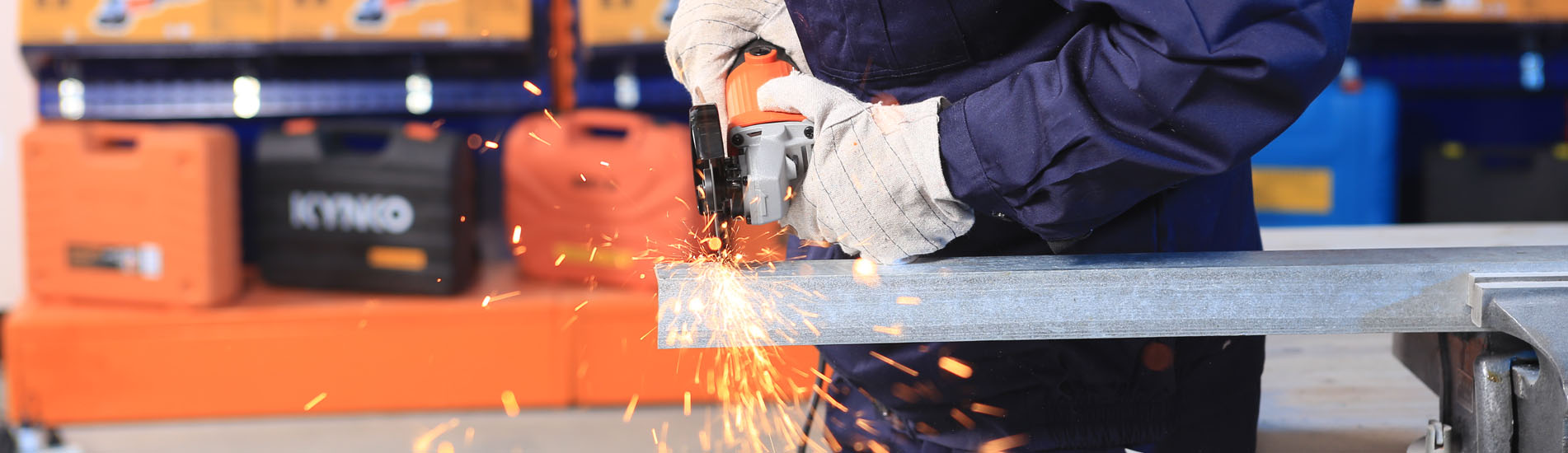
Top Safety Tips to Follow When Using a Rotary Hammer
When it comes to drilling through tough masonry, concrete, or stone, a standard drill won't cut it. You need a rotary hammer. By using a piston mechanism rather than a standard clutch, these powerhouse tools deliver a much harder pounding force, making quick work of heavy-duty construction and demolition tasks.
However, with massive power comes significant risk. The intense vibration, flying debris, and high torque mean that operating a rotary hammer requires strict adherence to safety protocols. Whether you are a seasoned contractor or a DIYer tackling a home renovation, following these essential rotary hammer safety tips will keep you efficient and injury-free.
1. Gear Up with the Right Personal Protective Equipment (PPE)
Before you even plug in your tool or click a battery into place, you must protect your body. Standard masonry drilling generates intense dust, noise, and flying shards.
Eye Protection: Use ANSI-approved safety goggles that wrap around your face. Ordinary glasses will not stop a stray piece of concrete flying at high speeds.
Hearing Protection: Rotary hammers routinely exceed 90 to 100 dB during operation. Prolonged exposure can cause permanent hearing loss, so always wear earplugs or earmuffs.
Respiratory Protection: Concrete dust contains crystalline silica, which can lead to severe lung diseases like silicosis. Always wear a well-fitted N95 or HEPA-rated respirator mask.
Heavy-Duty Gloves: Vibration-reducing gloves protect your hands from repetitive strain injuries and prevent your grip from slipping if the tool kicks back.
2. Master the Core Operating Procedure
Operating a rotary hammer requires a specific technique that differs from a standard drill driver. Forcing the tool or holding it incorrectly can result in sudden binds or lost control.
l Inspect the Tool and Bits:Pre-check
Ensure the tool is unplugged or the battery is removed. Inspect the housing for cracks, check the power cord for frays, and ensure your SDS-plus or SDS-max bit is sharp and locked securely into the chuck.
l Clear the Work Area:Environment setup
Clear away trip hazards and verify what is behind your drilling surface. Use a stud finder or wall scanner to ensure you aren't about to drill into hidden electrical wiring, gas lines, or water pipes.
l Establish a Two-Handed Grip:Stabilization.
Always use the adjustable side auxiliary handle. Secure one hand firmly on the main trigger handle and the other on the side handle to maintain maximum leverage against sudden twisting forces.
l Apply Firm, Steady Pressure:Operation.
Position the bit perpendicular to the surface. Push firmly enough to engage the internal hammering mechanism, but do not lean your full body weight into it. Let the tool do the heavy pounding.
3. Beware of the Dangerous "Kickback"
One of the most common causes of job site injuries with rotary hammers is kickback. This occurs when the drilling bit hits a piece of hidden rebar or an aggregate pocket that causes the bit to seize instantly.
Because the bit stops spinning, the kinetic energy transfers directly into the body of the tool, causing it to violently wrench out of your hands or twist your wrist.
Safety Pro Tip: Look for modern rotary hammers equipped with an integral slip clutch or electronic kickback control (often called ATC or e-clutch). These systems instantly disengage the motor's drive shaft the millisecond a bind-up is detected, protecting your wrists from severe sprains or fractures.
4. Let the Tool Do the Work (Avoid Excessive Force)
A common mistake among beginners is leaning heavily into the back of the tool to make it drill faster. With a rotary hammer, this actually has the opposite effect.
Because the tool relies on an internal electro-pneumatic piston mechanism to slam the bit forward, pushing too hard dampens the cushion of air inside the cylinder. This reduces the impact energy, overheats the motor, wears out the bit prematurely, and increases user fatigue. Just guide the tool straight and let the internal hammer mechanism handle the destruction.
5. Keep Dust Under Control
With strict OSHA regulations regarding silica dust exposure, managing concrete dust is no longer optional. Beyond wearing a mask, try to use active dust extraction systems. Many modern cordless rotary hammers have onboard vacuum attachments that collect dust right at the nozzle before it ever enters the air. If an onboard unit isn't available, have a partner hold a shop-vac equipped with a HEPA filter right next to the hole.
Categories
latest blog
Tags
 Tel :+86 592 2068518
 Email: info@kynko.com.cn
 Whatsapp : +8618650800148
 Jinhehang Development Zone, Shanxia, Hui'an, Quanzhou, Fujian, China
For inquiries about our products or pricelist, please leave to us and we will be in touch within 24 hours.



© Copyright: 2003-2026 KYNKO INDUSTRIAL LIMITED All Rights Reserved.
IPv6 network supported

Talk by Wechat