English



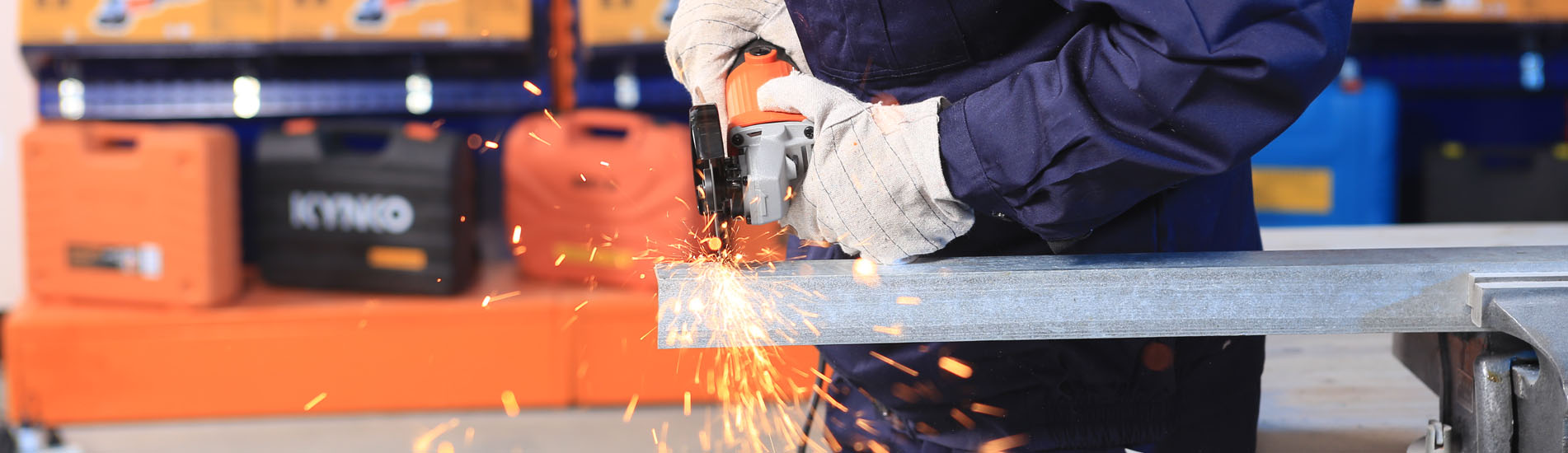
Comparing Corded vs Cordless Marble Cutter Which One is Right for You
When it comes to cutting marble, whether for DIY projects or professional use, selecting the right marble cutter can significantly impact both the quality of your work and your efficiency. Two popular options available in the market are corded and cordless marble cutters. Both types have their advantages and specific use cases, but how do you decide which one is the best fit for your needs?
In this article, we'll compare corded vs cordless marble cutters, highlighting their differences, pros, and cons, to help you make an informed decision.
What is a Marble Cutter?
A marble cutter is a powerful tool designed to slice through marble, granite, tiles, and other stone materials. These tools use diamond or abrasive cutting blades and can be either corded (plugged into a power source) or cordless (battery-powered). Depending on your project's scale and requirements, the type of cutter you choose will influence your work's efficiency, precision, and convenience.
Corded Marble Cutters: Pros and Cons
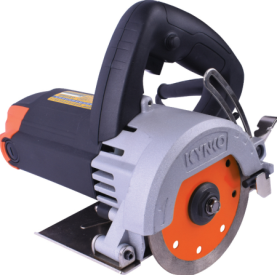
Corded marble cutters are powered directly from an electrical outlet. Here are the pros and cons of using a corded model:
① Pros:
1.Uninterrupted Power Supply:
Corded cutters provide consistent, uninterrupted power, which is crucial for long, demanding tasks. You won’t have to worry about battery life running out mid-project.
2.More Powerful:
Typically, corded marble cutters offer more power than their cordless counterparts. This makes them ideal for heavy-duty cutting tasks, such as cutting through thick marble slabs or large volumes of material.
3.Cost-Effective:
Corded marble cutters tend to be more affordable than cordless models, making them a good choice if you’re on a budget or need a tool for occasional use.
4.No Need to Charge:
With corded cutters, you don't have to worry about charging the battery before each use. Simply plug it in and start working.
② Cons:
1.Limited Mobility:
The primary downside of corded cutters is the limited range due to the cord. You’ll need to work near a power source or use an extension cord, which can limit mobility, especially for larger areas.
2.Tangled Cords:
Cords can become tangled or get in the way, which may be frustrating during intricate cuts or when working in tight spaces.
3.Heavy and Bulky:
Corded cutters tend to be heavier and bulkier compared to cordless models, which can make them more cumbersome to use for extended periods.
Cordless Marble Cutters: Pros and Cons
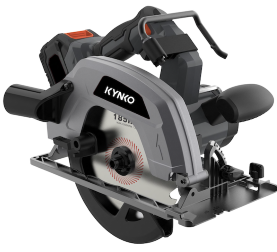
Cordless marble cutters are powered by rechargeable batteries, offering more freedom and flexibility. Here are the pros and cons:
① Pros:
1.Enhanced Mobility:
The most significant advantage of cordless marble cutters is their portability. You can easily move around the workspace without worrying about a cord, which is particularly useful for outdoor work or when cutting in remote areas with no power source.
2. Lightweight and Compact:
Cordless cutters are generally lighter and more compact than their corded counterparts, making them easier to handle and maneuver, especially for detailed cuts or overhead work.
3.Convenient for Small Projects:
For DIY enthusiasts or those who only need to cut small to medium pieces of marble occasionally, cordless cutters are an excellent option due to their convenience and ease of use.
4.No Need for Extension Cords:
Cordless cutters don't require extension cords, reducing the risk of tripping hazards and giving you more freedom to work in tight spaces.
⑤ Cons:
1.Battery Life Limitations:
One of the main drawbacks of cordless marble cutters is the limited battery life. Depending on the battery’s capacity, you may need to recharge it frequently, especially when working on larger or more complex projects.
2.Less Power for Heavy-Duty Tasks:
While cordless cutters are powerful enough for most tasks, they may struggle with cutting through thick or hard marble. For heavy-duty applications, a corded model may be a better choice.
3.Higher Cost:
Cordless marble cutters can be more expensive upfront, particularly if you're purchasing high-quality batteries or additional accessories. Over time, you may also need to replace the battery, adding to the cost.
Which One Should You Choose?
Your choice between a corded and cordless marble cutter depends on the type of work you're doing, the scale of your projects, and your personal preferences. Here’s a quick guide:
1.Choose a Corded Marble Cutter if:
You’re working on large projects that require continuous, uninterrupted power.
You need a more powerful tool for heavy-duty cutting.
You’re not concerned about mobility or working near an outlet.
2.Choose a Cordless Marble Cutter if:
You need a portable tool for small to medium projects.
You value mobility and flexibility in your workspace.
You’re working in areas without easy access to power outlets.
Conclusion
Both corded and cordless marble cutters have their advantages, and the best choice depends on your specific needs. If you’re working on large-scale projects that demand power and continuous operation, a corded marble cutter will be the better choice. On the other hand, if portability and convenience are your top priorities, a cordless model is the way to go.
By understanding the differences between these two options, you can select the marble cutter that will best help you achieve clean, precise cuts and make your marble cutting tasks more efficient.
Categories
latest blog
Tags
 Tel :+86 592 2068518
 Email: info@kynko.com.cn
 Whatsapp : +8618650800148
 Jinhehang Development Zone, Shanxia, Hui'an, Quanzhou, Fujian, China
For inquiries about our products or pricelist, please leave to us and we will be in touch within 24 hours.



© Copyright: 2003-2026 KYNKO INDUSTRIAL LIMITED All Rights Reserved.
IPv6 network supported

Talk by Wechat